
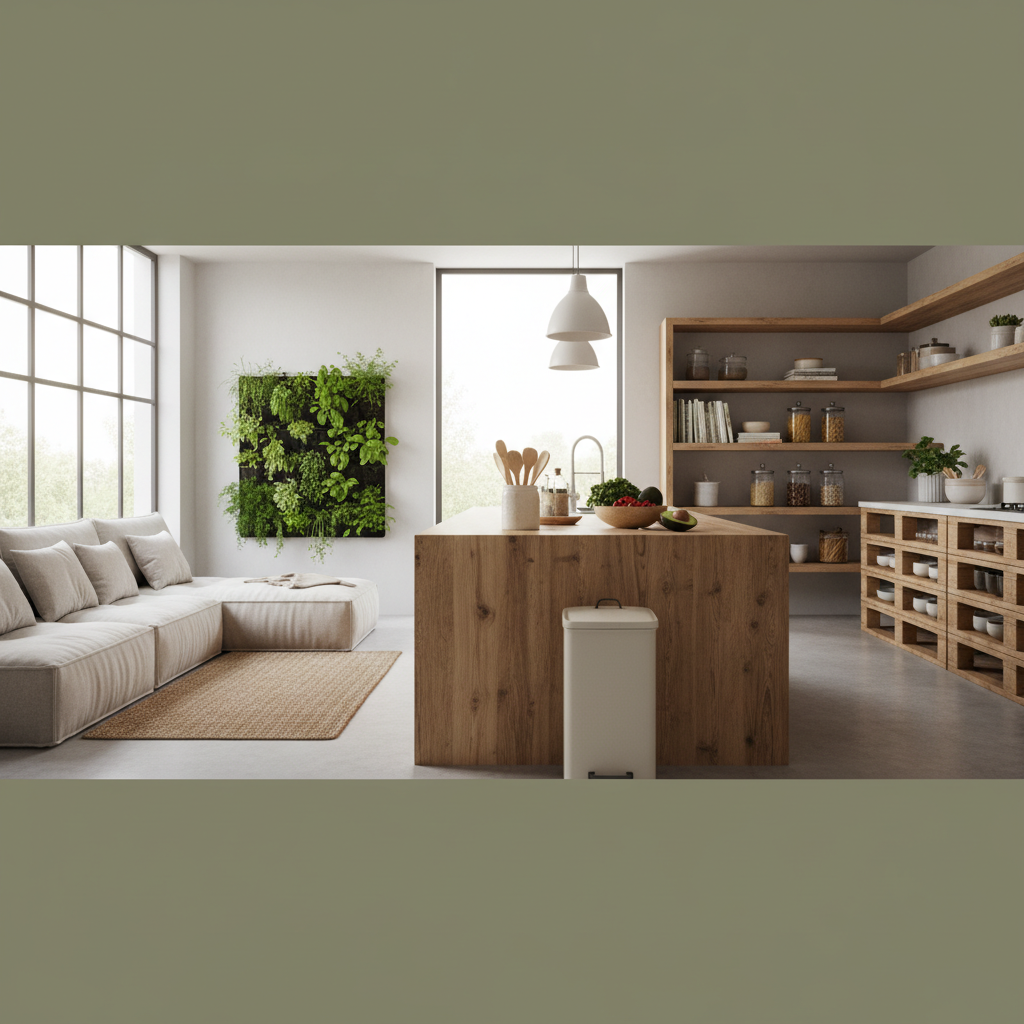
Sustainable Sanctuaries: Creating an Eco-Friendly Heart of the Home
Sustainable Sanctuaries: Creating an Eco-Friendly Heart of the Home
The kitchen has always been much more than just a room where meals are prepared. It is the vibrant heart of the home, a gathering place where families connect, stories are shared, and nourishment takes place. For those of us who care deeply about environmental conservation and respecting the natural world, this central space should actively reflect our core values. Transforming your cooking area into a sustainable sanctuary is a powerful way to bring your environmental advocacy indoors. However, navigating the complexities of green building requires careful planning and the right partnerships. If you live in the city and want to align your living space with your ecological principles, partnering with a knowledgeable kitchen renovation company toronto is the very first step toward creating a home that honors the earth.
The Philosophy of Sustainable Design
For thousands of years, indigenous cultures around the world have understood the profound connection between our shelters and the natural environment. Traditional dwellings were constructed with a deep respect for the land, utilizing local materials and taking only what was absolutely necessary. A home was never viewed as separate from nature; rather, it was considered a harmonious extension of the local ecosystem. Today, as we face unprecedented environmental challenges, we must urgently return to this mindful approach to how we build and live.
When we decide to update our modern living spaces, we are immediately faced with a critical choice. We can either follow the conventional path that contributes to a cycle of disposable consumerism, or we can choose a path of intentional stewardship. Sustainable design is about shifting our mindset away from temporary trends and focusing on long-term durability. It challenges us to think about the entire lifecycle of the products we bring into our homes, from how they are manufactured to where they will eventually end up.
By adopting this green philosophy, we ensure that our personal sanctuaries do not come at the heavy cost of clearing old-growth forests or polluting vital rivers. Sustainable design asks us to consider the seventh generation in our decision-making. It means creating a beautiful, functional kitchen today that will not leave a burden of toxic waste or depleted resources for our children and grandchildren tomorrow.
Sourcing Ethical and Reclaimed Materials
One of the most impactful decisions you will make during your eco-friendly remodel involves the physical materials you choose to install. The global demand for virgin timber continues to threaten vital habitats and encroach upon traditional indigenous lands. Instead of relying on newly harvested wood, you can make a powerful conservation statement by opting for reclaimed and salvaged materials. Reclaimed wood from old barns, factories, or heritage buildings brings incredible warmth, unique character, and a rich history to your kitchen cabinets and flooring.
Beyond wood, there are numerous innovative materials available today that respect the earth’s finite resources. Consider countertops made from recycled glass or sustainable composites rather than newly mined stone. Bamboo and natural linoleum are excellent, highly renewable options for flooring that tread lightly on the planet. Furthermore, it is essential to pay attention to the finishes you use. Selecting paints, sealants, and adhesives that are free from Volatile Organic Compounds (VOCs) protects your indoor air quality and prevents harmful chemicals from off-gassing into your sanctuary.
Additionally, sourcing your materials as locally as possible is a crucial component of sustainable building. Transporting heavy construction materials across the globe generates a massive amount of greenhouse gas emissions. By choosing local suppliers and regional artisans, you significantly reduce your project’s carbon footprint. This practice also supports your local economy and fosters a stronger, more resilient community that values environmental protection.
Energy Efficiency and Water Conservation
A truly eco-friendly kitchen goes far beyond its visual appeal and the materials used to build it. The daily operation of your home’s hub accounts for a massive portion of your household’s overall energy and water consumption. Therefore, designing for efficiency is a practical way to participate in global conservation efforts every single day. Upgrading your space with the environment in mind means looking closely at how your kitchen functions on a mechanical level.
Transitioning to high-efficiency appliances is a vital step in reducing your reliance on fossil fuels. Modern induction cooktops, for example, are incredibly energy-efficient because they transfer heat directly to the cookware rather than heating the surrounding air. Energy Star-rated refrigerators, ovens, and smart LED lighting systems drastically lower the daily demand on our power grids. Over time, these mindful upgrades significantly reduce your carbon footprint while simultaneously lowering your monthly utility bills.
Similarly, water conservation is an absolute necessity for protecting our natural watersheds and aquatic ecosystems. Clean, fresh water is a precious resource that is increasingly under threat from climate change and over-extraction. Installing low-flow aerators on your kitchen faucets and choosing a highly efficient dishwasher can save thousands of gallons of water each year. By reducing your water usage, you directly help to ensure that our local rivers, lakes, and streams remain vibrant and healthy for future generations.
Partnering with Eco-Conscious Professionals
Having a beautiful, green vision for your home is an inspiring starting point, but bringing that vision to life requires a dedicated team. You need experts who not only respect your environmental goals but also have the practical skills and industry connections to execute them properly. A conventional contractor might push for the cheapest, fastest materials, which often run counter to the principles of sustainable design. Therefore, selecting the right partner is critical to the success of your project.
For homeowners looking to transform their spaces responsibly, finding a dedicated local team makes all the difference in the world. We highly recommend reaching out to Toronto Home Renovation Contractors By Red Stone Contracting for your upcoming eco-friendly project. They understand that a home remodel is a significant investment and are committed to delivering high-quality results that align with your values.
An experienced, mindful contractor understands the intricacies of modern green remodeling. They can work closely with you to source ethical materials, implement energy-saving technologies, and ensure that the construction process itself is managed responsibly. From minimizing dust and protecting your indoor air quality to ensuring that the installation is built to last, a knowledgeable professional team ensures your kitchen renovation is a true success for both you and the environment.
Minimizing Waste Through Deconstruction
The traditional construction and remodeling industry is notoriously wasteful, often generating massive amounts of debris that goes straight into local landfills. However, a mindful approach to your kitchen overhaul can change this destructive narrative entirely. Instead of a standard demolition, where everything is smashed and thrown away, consider the practice of deconstruction. Deconstruction involves carefully taking apart your existing kitchen so that materials can be salvaged, reused, or recycled.
Before any major work begins, take the time to evaluate what can be saved from your old space. Existing cabinets that are still in decent shape can often be donated to local housing charities or community centers. Old appliances, hardware, and metal fixtures can be taken to specialized recycling facilities rather than being dumped in the trash. This circular economy approach ensures that the embodied energy of your old kitchen is respected and utilized elsewhere.
Careful planning with your contractor also prevents the over-ordering of new materials, which is a very common source of unnecessary construction waste. By measuring meticulously and ordering only what is truly needed, you protect both your renovation budget and the natural environment. Ultimately, minimizing waste is about respecting the earth’s resources and taking responsibility for the footprint of our domestic lives.
Cultivating a Greener Future at Home
Creating a sustainable sanctuary in the heart of your home is a deeply rewarding endeavor. It is a tangible, daily way to live out your commitment to environmental conservation and indigenous rights advocacy. Every reclaimed wooden plank, every low-VOC paint choice, and every energy-efficient lightbulb represents a deliberate step toward a much healthier planet. Our homes are the ultimate reflection of what we hold dear, and they have the power to inspire others to make better choices.
As advocates for the earth, we know that sweeping global changes begin with individual, localized actions. By transforming our kitchens into eco-friendly spaces, we honor the natural world, respect traditional wisdom, and set a profoundly positive example for our surrounding communities. We prove that modern living does not have to come at the expense of the environment.
If you are ready to begin the exciting journey toward a greener, more beautiful home, do not hesitate to seek out professional guidance to make your dream a reality. Reach out to Toronto Home Renovation Contractors By Red Stone Contracting today to discuss how you can build a stunning kitchen that truly respects the earth and serves as a sustainable sanctuary for years to come.